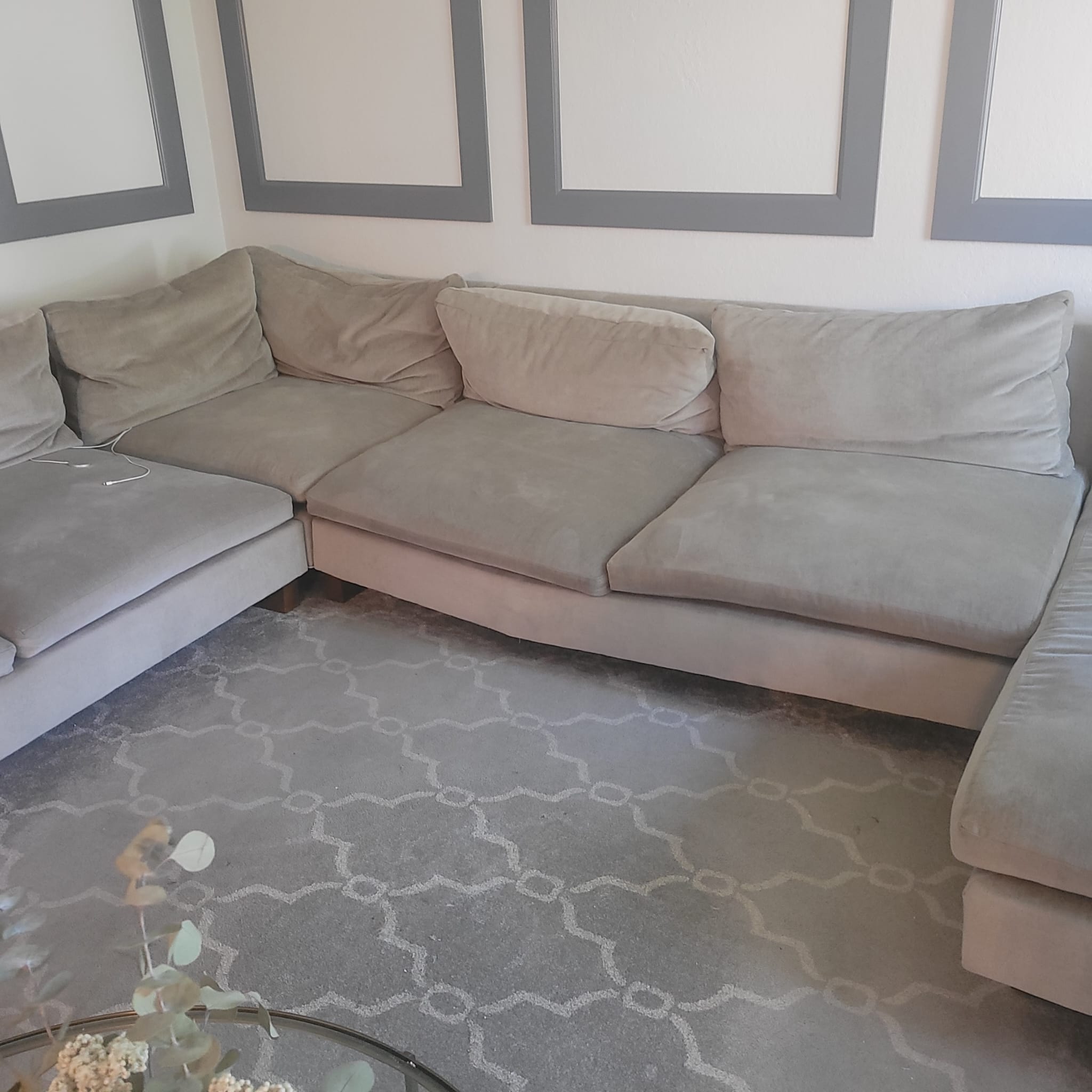
The Art of Refinishing: Bringing Life Back to Your Old Furniture
Refinishing your furniture is more than just restoring its appearance; it's about reviving memories and preserving history. In this guide, we will explore the various aspects of furniture refinishing, including techniques, benefits, and tips for a successful restoration.
Understanding Furniture Refinishing
Furniture refinishing involves stripping, sanding, and applying new finishes to restore the original beauty of your pieces. It can breathe new life into worn-out furniture, making it look as good as new.
Why Choose Refinishing Over Replacement?
- Cost-effective solution compared to buying new furniture.
- Preserves sentimental value and history.
- Customization options to match new décor.
- Environmentally friendly by reducing waste.
Common Refinishing Techniques
There are several techniques available for refinishing furniture, each suited for different types of wood and finishes.
1. Stripping
Stripping removes existing finishes to reveal the raw wood beneath. This can be done using chemical strippers or heat guns.
2. Sanding
Sanding smooths the surface and prepares it for finishing. It’s important to use the right grit of sandpaper to avoid damaging the wood.
3. Staining
Applying stain enhances the wood's natural grain and adds color. Choose a stain that complements your home’s aesthetic.
4. Sealing
Sealing protects the finished surface. Options include polyurethane, shellac, or lacquer, each offering different levels of durability and shine.
Tools and Materials Needed for Refinishing
- Sandpaper (various grits)
- Paint strippers
- Brushes and rags
- Wood stain and sealer
- Protective gear (gloves, mask)
Step-by-Step Guide to Refinishing Furniture
Follow these steps to successfully refinish your furniture:
- 1. Remove any hardware and clean the piece thoroughly.
- 2. Strip the old finish using your chosen method.
- 3. Sand the surface until it is smooth.
- 4. Apply stain if desired, following the manufacturer's instructions.
- 5. Finish with a sealing coat for protection.
Tips for Successful Refinishing
- Test finishes on a small, inconspicuous area first.
- Work in a well-ventilated area to avoid inhaling fumes.
- Allow ample drying time between each step.
- Consider the wood type and its characteristics when choosing products.
Conclusion
Refinishing furniture is a rewarding process that not only revitalizes your old pieces but also allows for personal expression in your home decor. With the right techniques and tools, you can turn worn furniture into stunning focal points in your living space. Whether you choose to refinish a cherished heirloom or a thrift store find, the art of refinishing is sure to bring joy and satisfaction.